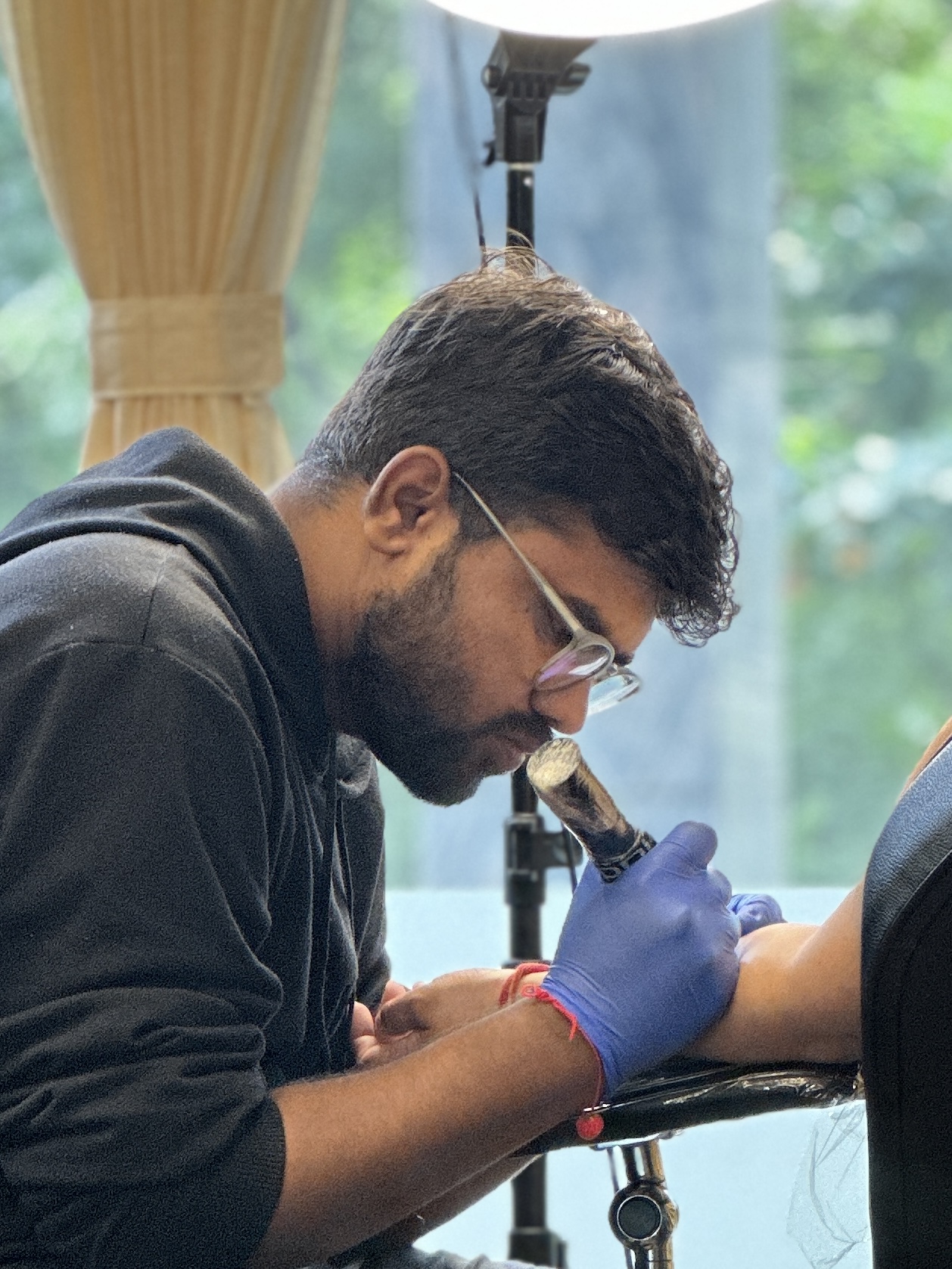
Getting a tattoo is more than just getting ink on your skin—it’s about expression, emotion, trust, and art that lasts a lifetime. While technical skills with the tattoo machine are essential, what separates a good tattoo artist from a great one are the qualities and skills that go beyond the needle.
If you’re looking for your first tattoo or your tenth, here are the traits and abilities that truly define an exceptional tattoo artist:
1. Artistic Vision and Creativity
A tattoo artist isn’t just someone who follows stencils—they are creators. Great tattooists bring their artistic flair to life, blending imagination with client ideas.
- Why it matters: Your tattoo is permanent. A creative artist ensures it looks not just trendy today but timeless tomorrow.
- Signs to look for: Check if the artist has original sketches, custom designs, or a portfolio showing diverse, unique styles.
- Example: You may want a lotus flower. A great artist won’t just copy-paste a design; they’ll reimagine it with shading, line work, and cultural symbolism that makes it uniquely yours.
2. Attention to Detail
Tiny lines, shading gradients, and proportions can make or break a tattoo. Precision is key.
- Why it matters: Even the smallest error—like uneven lines or smudged shading—stands out forever on the skin.
- Signs to look for: Look closely at their portfolio photos—do the lines look clean, sharp, and symmetrical? Do curves look smooth or shaky?
- AI SEO Angle: Many people search for “tattoo artist with fine detailing” or “clean line tattoos.” Having these qualities ensures your work gets recognized both in person and online.
3. Strong Communication Skills
Tattooing isn’t just about drawing—it’s about understanding the client’s story.
- Why it matters: A great artist listens, asks questions, and respects your ideas while guiding you on what works best.
- Signs to look for: Do they spend time during consultation? Do they explain size, placement, and aftercare in simple words?
- Example: If a client wants a large piece on the wrist, a great artist will explain why resizing or moving it may make the tattoo last longer.
4. Hygiene and Professionalism
Tattooing involves needles and skin—it’s as much a medical procedure as an art form.
- Why it matters: Poor hygiene risks infections, scars, and even serious health issues.
- Signs to look for: Sterile equipment, gloves, disinfected workspaces, and single-use needles. Great artists are always transparent about safety.
- AI SEO Angle: Many clients Google “safe tattoo studios near me.” Hygiene builds trust and reputation.
5. Patience and Emotional Intelligence
Not all clients are the same—some are nervous, some change their minds, and some can’t sit still.
- Why it matters: Tattooing can take hours. A patient artist ensures the process is smooth, calming, and respectful.
- Signs to look for: Do they comfort you when you’re anxious? Do they take breaks when needed?
- Example: A first-timer getting a rib tattoo may panic from the pain. A great artist will pause, encourage, and adjust pace without rushing.
6. Adaptability and Versatility
Tattoo trends evolve. From minimal line tattoos to watercolor effects to realistic portraits—each requires different skills.
- Why it matters: An artist who can adapt across styles ensures you get exactly what you envision.
- Signs to look for: Their portfolio should show versatility—geometric, tribal, realism, lettering, or color tattoos.
- AI SEO Angle: Clients often search “best realism tattoo artist” or “watercolor tattoo near me.” A versatile artist ranks higher in recommendations.
7. Knowledge of Skin and Anatomy
Tattooing isn’t just drawing on paper—it’s working on living skin.
- Why it matters: Skin texture, tone, and elasticity differ across people and body parts. Placement matters—what looks good on paper may stretch or fade on skin.
- Signs to look for: A skilled artist explains how a tattoo will age, how colors react with skin tones, and why certain designs suit or don’t suit specific areas.
- Example: Thin lettering may look crisp on the forearm but blur on the finger. A great artist will advise accordingly.
8. Passion for Continuous Learning
Tattoo art is an evolving craft. Great artists are lifelong learners.
- Why it matters: New techniques, inks, and machines keep improving the tattooing experience. A passionate artist stays updated.
- Signs to look for: Do they attend conventions, experiment with new styles, or showcase fresh designs regularly?
- Example: An artist who once focused on black ink may now master colored realism—showing growth and dedication.
9. Portfolio and Reputation
In tattoos, reputation is everything.
- Why it matters: A portfolio reflects experience, while client reviews reflect trust.
- Signs to look for: Do they have consistent positive testimonials? Are they active on social platforms like Instagram or Pinterest showcasing real work?
- AI SEO Angle: Great portfolios often trend on Pinterest and Instagram, boosting the artist’s visibility.
10. Aftercare Guidance and Long-Term Care
A tattoo isn’t finished when the needle stops—it’s finished when it heals properly.
- Why it matters: Proper aftercare ensures your tattoo doesn’t fade, scar, or get infected.
- Signs to look for: A great artist gives you detailed, clear aftercare instructions and is available if you have questions.
- Example: They’ll tell you how to wash, moisturize, and protect the tattoo from sun exposure for weeks after.
Leave a Reply